Showing posts with label dogs. Show all posts

Friday, June 1, 2012

Top 10 Most Popular Dog Breeds


The American Kennel Club, a non-profit organization that maintains the largest registry of purebred dogs in the world, has announced which dog breeds were most popular in 2011.
The list of 157 dog breeds was narrowed down to the top 10 four-legged companions that Americans preferred to take home.
10. Rottweiler 
For the first year ever, the Rottweiler lands on the AKC's list of top dogs. The large, sometimes formidable-looking dog has become a family favorite due to its loving and affectionate personality. One of the oldest-known herding dogs dating back to the Roman Empire, this German breed was originally bred to be a hunting companion. Today, with their sharp skills, Rottweilers are frequently used in search and rescue, as guide dogs for the blind, and as guard or police dogs. .
According to the American Kennel Club, the Rottweiler is basically a calm, confident and courageous dog with a self-assured aloofness, responding quietly and with a wait-and-see attitude to influences in its environment. It has an inherent desire to protect home and family, and is an intelligent dog with a strong willingness to work, making them especially suited as a companion, guardian and general all-purpose dog.
9. Dachshund 
Lively and affectionate, dachshunds are known to be bold, curious and a bit mischievous. While devoted to their families, this breed needs strong leadership at home in order to avoid any behavioral issues. There are three varieties of dachshund: the short-haired, the wired-haired, and the long-haired.
Dachshunds also have a wide color variety, including: black, red, chocolate, tan or fawn, cream and blue-gray. Bi-color dachshunds may be black and tan, black and cream, chocolate and tan, chocolate and cream, blue and tan, or blue and cream. Brindled dachshunds (stripes covering the entire body) may be seen in any of the colors mentioned.
8. Poodle 
Poodles are the runway models of the popular breeds, highly intelligent and graceful. Considered one of the most trainable breeds, the standard poodle are typically pleasant, happy and sensitive but can become high strung if not given the proper amount of exercise.
Poodles—who are born with one of a variety of solid colors, including white, black, apricot and gray–require extensive grooming. Their fur is also hypoallergenic, which may reduce allergic reactions and be helpful to pet owners who suffer from allergies.
7. Boxer
The boxer dog, a muscular, short-coated breed with a distinctive square head has had a place in the hearts of owners for decades. The boxer’s strong body and gentle, playful spirit are a great combination.
And what about his name? It is said that his moniker is a testament to his playful and curious side. You’ll notice that your boxer dog uses his front paws for just about everything. He’s likely to paw at his toys and food in a cat-like way. He also likes to jump up and motion with his front paws, making him look like he’s actually boxing, and hence the name.
6. Bulldog
While the bulldog’s appearance can be intimidating, it is among the gentlest of dogs. Small and stocky in stature with a wide, massive head, a bulldog’s coat may be white, black, red, fawn, brindle, pale yellow or a combination of colors. 
Considered to be very affectionate and dependable dogs, bulldogs are gentle with children and known for their courage and their excellent guarding abilities. Bullheaded and determined, this breed can be very persistent and dominating. Strong leadership and attention are recommended.
One other thing for which bulldogs are well known? Loud snoring and a tendency to drool and slobber. What’s not to love?
5. Yorkshire Terrier 
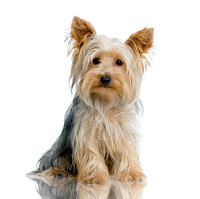
Energetic, loyal and clever, the Yorkshire terrier seems oblivious of its small size. Always ready for an adventure, "Yorkies" are easy to train and are considered excellent watchdogs. 
Known for their ultra long, fine, silky coat that parts along the spine and falls straight down on either side, Yorkies are colored a combination of steal blue and tan. As you might expect, regular grooming is needed and Yorkie owners commonly pull back their dogs' hair on their head in a topknot. Depite the long hair, however, Yorkies shed very little.
4. Golden Retriever 
With their ever-present smiles, wavy blonde fur, and joyful prance, the golden retriever has long been one of America’s favorite dogs. Perhaps it’s their family-friendly demeanor and golden looks that helps keep this breed in the Top 5 of all registered dogs in the U.S. 
The golden retriever is classified by the American Kennel Club as a sporting dog, popular with hunters for its soft mouth and eagerness to retrieve in water.
True to its name the golden retriever loves to fetch. It’s not uncommon to be greeted by a golden with a favorite toy stuffed in its mouth. Known for its intelligent mind, the breed can learn more than 200 commands with training and encouragement.
3. Beagle
The beagle moves up this year from last year's No. 5 spot. Well before designer dogs like the puggle (half beagle, half pug) struck dog lovers as the hottest breed to bring home, there was just the good old beagle. In its pure bred form, this hound continues to hold on to its status as one of man’s best friends. 
These droopy eared hounds are spunky, loyal and make great friendly pets for families with children. Beagles also tend to have lots of energy to burn. They can be mischievous and are often lead to trouble (garbage cans, shoes, dirty laundry) by their extraordinary hunting noses. Their natural curiosity often means they are a little tricky to train and require owners who are willing to be firm yet patient. Beagles are also known for their tremendous whining, sharp bark and thoroughly loud from-the-belly howls.
2. German Shepard
Often used as working dogs, German shepherds are highly intelligent and courageous. Known for their tremendous loyalty, these dogs are typically cheerful, obedient and eager to learn. 
German shepherds prefer to be close to their families and therefore have a very strong protective instinct. Generally good with other pets and excellent with children in the family, it is recommended to train and socialize German shepherds from an early age with a firm and loving hand.
The breed's ability to rapidly learn has contributed to its wide use as a sheepdog, guard dog, in police work, as a guide for the blind, in search and rescue service, and in the military. The German shepherd also excels in many other dog activities including agility, flyball, and ring sport. But most of all, the German shepherd is favored as a loving family companion.
1. Labrador Retriever 
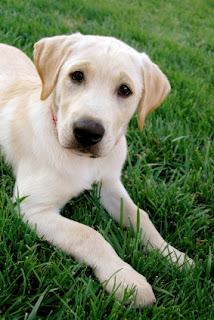
For the 21st consecutive year, this loveable breed continues to be the most popular breed in the U.S., according to AKC registration statistics. The family-friendly Labrador retriever has won over the hearts of families across the country—millions of households count a Lab among their family members, and it’s easy to see why. Labs display a well-mannered temperament and are eager to please their owners. 
The Labrador retriever originated in Newfoundland, where it aided fisherman with their catch. After being crossed with setters, spaniels and other retrievers, the Lab sharpened its skills as a true retriever. But what makes Labs even more popular is their kind, outgoing nature.
This people-friendly quality also makes Labs great dogs for children. The Lab thrives in an active household, where he can have lots of interaction. Kids will also love the Lab’s easy nature and trainability . In turn, Labrador retrievers tend to be very patient with kids. Be prepared to harness that energy: plenty of exercise and fetching games will keep your Lab happy and healthy.


Thursday, May 31, 2012

Featured Dog Breed of the Week: Dalmatian

I've decided to make things here at Animals Are Everywhere a little more exciting. Every week we will now be profiling a different dog breed. This week it's the Dalmatian!


Height: 19-24 inches
Size: Medium
Weight: 55-70 pounds (male); 40-55 (female)

Description
The familiar dapper black-and-white spotted dog of Disney fame, the Dalmatian is a symmetrical, muscular medium sized dog with superior endurance. He has soft ears and a tail that tapers to the end. Puppies are born completely white, with the spots developing later. Spots should be well defined and should not blend together into large patches. The short coat is sleek and shiny. Dalmatians can also come with liver-colored spots, though that type is not as popular.

History
Though his origins are far from clear, the Dalmatian was first historically placed in Dalmatia, part of the former Yugoslavia. The breed became popular as a carriage dog in the 1800’s, trotting beside (and even among) the horses and then guarding the carriage and horses while the master was occupied elsewhere. The versatile Dalmatian has seen many uses, before and since, as a mascot for firemen, war sentinel, circus performer, vermin hunter, retriever, hound, shepherd and guard dog. Today, this beautiful breed is primarily a companion dog.

Key Facts
The Dalamatian is a hardy, easy to keep breed, though frequent brushing is needed to cope with the constant shedding. Dalmatians are clean, with no doggy odor. They often have large litters, sometimes up to 15 pups. The Dalmatian is a very energetic breed, and needs daily romps to prevent destructiveness. Deafness affects 10–12% of Dalmatian puppies. Every Dalmatian puppy should be BAER-tested for deafness. Because Dalmatians are so popular, and people are breeding indiscriminately, deafness is on the rise. Those people thinking about breeding their Dalmatian must be willing to deal responsibly with any deaf puppies in the litter. Deaf dogs may be difficult to raise, and can become aggressive and snappish from fear. Many are run over by cars if they ever "escape" from home. For these reasons, and to help reduce the incidence of deafness in the Dalmatian gene pool, the Dalmatian Club of America encourages humane euthanisation of all deaf puppies, though this policy is somewhat controversial. Buy only from a reputable breeder to avoid this serious problem and to ensure good temperament. Buy only from OFA stock to avoid hip dysplasia, though hip dysplasia incidence in the breed is quite low. The Dalmation is also prone to kidney problems. Uric acid levels in Dalmatians are higher than in any other breed, sometimes causing urinary blockage. Veterinarians may recommend a low protein diet for this breed to prevent urinary tract problems. Do not keep Dalmatians outside in the cold

Personality
Playful and happy-go-lucky, Dalmatians need human companionship, so they don’t make good yard dogs. The very energetic Dalmatian loves to play with children, but may be too rambunctious for toddlers. Dalmatians tend to get along well with other pets, though they may be aggressive with strange dogs. Males often dislike other males. This breed can be somewhat high-strung and can be timid without enough socialization. Though they are quite intelligent, Dalmatians can be willful. They generally do well with firm, consistent training.

Source: Iams

Top 10 Dogs for Watchdog Barking

Looking for a dog that WILL bark to deter potential burglars? Listed from most alert to least alert, these breeds will bark vigorously at the presence of an intruder or in situations that seem out of the ordinary.

1. Rottweiler
2. German Shepherd
3. Terrier
4. West Highland White Terrier
5. Miniature Schnauzer
6. Yorkshire Terrier
7. Cairn Terrier
8. Chihuahua
9. Airedale Terrier
10. Poodle (standard/miniature)

Source: Petrix

Friday, May 25, 2012

How Do I Treat My Dog's Cold?


Although it's not something to be alarmed about, dog's can also suffer from colds. Actually it's a pretty common sickness that dogs get. Regardless, colds are not something that you should be complacent about just because it happens a lot. So what are the symptoms that you should look out for?


Possible Symptoms of Colds


Usually the first thing that you have to look out for is when your dog starts to sneeze. That means a lot of sneezing. He will then start to have runny eyes while his nose starts to have a yellowish-green discharge which is also known as mucous. You may then start hearing your dog cough from time to time as well.


So How Do I Treat This?


When you suffer from a cold, you usually take medicines and lots and lots of water. This should also be done for your dog. Try to increase your dog's fluid intake, however, most often than not, dogs who suffer from colds try to avoid water. So try giving him a different remedy, like for example, adding broth to his water.


Just like humans, dogs can benefit from steam treatment. Remember how you would often try to put your face in front of a steamer whenever you have a cold? You can also do this for him. Try putting him in a bathroom and fill the room with steam. Let him stay in there for a couple of minutes, fifteen minutes maximum, three times a day. And you will definitely see an improvement from his colds.


Prevention is Better than Cure


No dog owner likes to see their dog suffer from any kind of sickness, even if it's just a cold. So it's always best to try and prevent your dog from getting sick. You can do this by feeding him healthy foods. There are too many options of dog foods out there, but make sure you get a high quality dog food that can provide your dog all the nutritional value he needs. Most people think that giving your dog any type of food is good enough, which couldn't be farther from the truth. But of course, giving your dog a healthy diet will increase and boost your dog's immune system, and will in return help him fight off any possible sickness. It is also essential for you to provide your dogs vitamins. There are many types of vitamins out there, so make sure you do your research to find the best quality dog vitamin available and your dog will benefit greatly, not only be reduced illnesses but in his quality of life and longevity.


Article Source

Tuesday, May 22, 2012

10 Good Reasons To Own A Dog


Dogs are very special animals and they quickly form a bond with their owners. Some dogs bond with only one person and others spread their love around. It is also healthy to own a dog, both physically and mentally.

Reason #10
Dogs force you to get out and exercise because you know they need the exercise and you feel guilty if you don’t take them out. But once you take them out you will find you will also enjoy the exercise.

Reason #9
Walk a dog – make new friends! Most people love to stop and talk to you about the dog and ask permission to pet him or her, especially children.

Reason #8
Dogs love attention – by paying attention to their needs, your own problems and worries are forgotten.

Reason #7
Excellent heaters! Even little dogs put off a lot of heat and warm you up on a cold winter’s night.

 Reason #6
Studies have shown dogs help reduce stress and lower your blood pressure. That is one reason why dogs are popular for pet therapy programs at hospitals and nursing homes.

 Reason #5
Dogs make your home more secure. They alert you when someone is approaching long before you hear them. A dog on the property usually scares away any would-be intruders.

 Reason #4
Someone to talk to that actually listens….and they never argue with you!  Many pet owners claim their dog knows exactly what they are saying to them.

 Reason #3
Dogs provide companionship. You are never alone with a dog in the house.

Reason #2
Dogs have the ability to sense your mood and know when you need some loving attention. They can rid you of a bad mood in a few minutes.

And the #1 reason to own a dog is:
Unconditional love. No matter what, your dog will always come running and greet you with enthusiasm and never-ending love. Even if you are only gone for a short period of time, the response is always the same.

-Seen on Hubpages